
Southwest Florida Amputation Injury Lawyers
The loss of a limb changes more than mobility. Our attorneys help people facing an amputation injury examine what happened and account for the care, equipment, and support they may need in the years ahead.

Prosthetic and Care Needs
Prosthetic fittings, replacement components, therapy, and assistance at home may create recurring expenses.
Accident & Equipment Evidence
An amputation at work may involve workers’ compensation, a separate claim against a third party, or both.
Changes To Work & Independence
Our office reviews how the injury occurred and how it affects your independence.
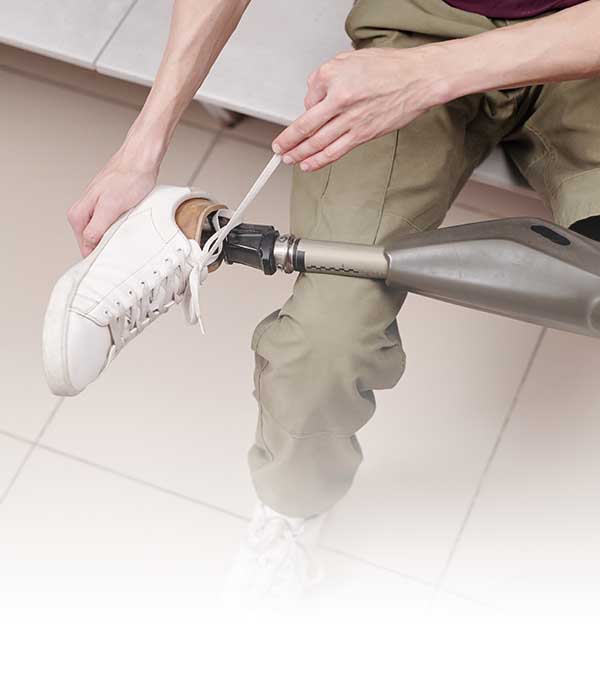
What To Know About Amputation Injuries In Florida
An amputation claim may involve a limb lost during an accident or a surgical amputation made necessary by traumatic injuries. Vehicle collisions, machinery incidents, and unsafe equipment can raise different questions about responsibility. The injury alone does not establish liability; the evidence must connect the loss to conduct for which another party is legally responsible.
For people returning home in Fort Myers, Cape Coral, or elsewhere in Southwest Florida, the practical questions are often immediate:
How to manage daily tasks, travel to appointments, and adjust to changes at work. A claim should consider those realities alongside hospital records and surgical expenses.
Our office reviews how the injury occurred and how it affects your independence. Where appropriate, medical, rehabilitation, and vocational professionals can help explain future needs rather than relying only on bills already received.
Planning Beyond Initial Treatment
Prosthetic fittings, replacement components, therapy, and assistance at home may create recurring expenses. We work to document reasonably anticipated needs using medical recommendations and information about your daily routine.
Identifying the Right Claim
An amputation at work may involve workers’ compensation, a separate claim against a third party, or both. A machinery or product case may require preserving the equipment before it is repaired, discarded, or altered.
What Losses May Be Recoverable?
A claim should reflect the actual effects of the injury. Depending on the evidence and applicable law, the following categories may be considered when evaluating recoverable losses.
Surgical Care
Expenses for injury-related surgery, hospitalization, and follow-up treatment.
Prosthetic Devices
Supported costs for fittings, devices, maintenance, and future replacement.
Rehabilitation
Physical and occupational therapy associated with adapting after limb loss.
Lost Earning Capacity
The effect of lasting limitations on your ability to earn a living.
Home Assistance
Reasonable support and accessibility changes made necessary by the injury.
Pain and Life Changes
Physical pain, disfigurement, and loss of enjoyment of life where recoverable.
Not every category applies to every case. Recovery depends on proof of responsibility and loss, applicable law, and any relevant coverage or legal limitations.
Frequently Asked Questions
These answers address common questions about amputation injuries. Your circumstances may raise additional issues that our attorneys can discuss with you.
Can a medically necessary amputation be part of a claim?
Yes, potentially. A claim can include a surgical amputation caused by injuries from an incident for which someone else is legally responsible. Medical records help establish that connection.
Can future prosthetic costs be considered?
Reasonably supported future expenses may be part of the evaluation. The type of device, expected replacement needs, and recommendations from treating professionals matter.
What if the injury leading to amputation happened at work?
Workplace injuries require a review of benefit coverage and any potential third-party responsibility. A claim against an employer is not interchangeable with an ordinary negligence lawsuit.
How is a loss of earning capacity evaluated?
The assessment may consider your prior work, physical restrictions, transferable skills, and realistic employment options. It is different from simply adding up missed paychecks.
Should damaged equipment be preserved?
Yes, when it can be done safely and lawfully. Photographs are useful, but the equipment itself may be important to understanding a failure or missing safeguard.
What should I bring to a consultation?
Bring incident reports, available medical records, insurance correspondence, and information about your work. You do not need a complete file to contact our office.
A Conversation With Our Office
Your initial consultation is free. We listen to your concerns, review the information available, and explain what additional facts may be needed to evaluate the matter.
An Approach Built Around Your Circumstances
We consider how the incident has affected your work, home, and daily responsibilities. That information helps us understand the practical issues behind the legal questions.
Clear Communication
We explain the next steps and the decisions that may arise as a claim develops. You can ask questions about the evidence, the process, and the information requested from you.
Local Offices, Personal Attention
With offices in Fort Myers and Cape Coral, our team serves Southwest Florida. Contact our office to discuss your circumstances and arrange a consultation.
Legal Guidance for Amputation Injuries
Start With A Conversation
Questions about amputation injuries do not have to wait until you have gathered every record. Contact Goldberg Noone to discuss what happened and learn what information may help us evaluate your options.
Call our Fort Myers office at (239) 461-5508 or our Cape Coral office at (239) 208-3000 to request a free consultation.
Request A Free Consultation
Tell us briefly how we can help and how to reach you. Our office can discuss the next steps and an appropriate way to provide relevant records. Please do not include sensitive medical, financial, or identification documents in this form.